The Reset You’ve Been Looking For: Systems Change for Nonprofit CFOs

New year! New close! Every CFO and controller rolls into year-end thinking, “This year will be different.”
We’re going to be more efficient!
We’re going to close faster!
We’re going to eliminate paper!
Efficiency, here we come!
Then January 2 hits. The glitter has settled, the inbox is groaning, and your budget spreadsheets are blinking back at you like, “So…we doing this again?”
Yes. Yes, you are.
But why can’t this year be different? Why can’t 2026 be the year of change? Instead of rolling into another year with the same duct-taped processes and “we’ll fix it later” workflows, why not do something radical?
It’s time to hit reset. Take the year-end close out, blow on the cartridge, and put it back in.
And no, not the kind of reset where you flip the Monopoly board because you’re losing. We’re talking about the kind of reset that clears the cobwebs from your systems, reclaims your time, and makes your finance team want to high-five you in the hallway.
Why Now? Because January Is CFO Spring Cleaning Season
There’s something magical about January. It’s the one time of year when everyone—from your board chair to your bookkeeper—is open to change (usually). The calendar flips, and suddenly you’ve got permission to rethink everything:
- That clunky approval process that requires three signatures and a carrier pigeon
- The budget template that’s been passed down like a family heirloom since 2009
- The “temporary” COVID workaround that’s now a permanent fixture in your month-end close
This is your moment to ask: Is this still serving us?
And if the answer is “not really” or “there has to be a better way,” then, congratulations. You’ve just found your first reset opportunity. But don’t celebrate just yet. There’s work to do.
Change: Not a Scary Monster, I Promise
Let’s be honest. “Systems change” sounds like a lot. It can feel overwhelming fast. It conjures images of six-month implementations, consultants with clipboards, and the dreaded phrase “change management.” Not to mention the time it takes—time you don’t exactly have.
But it doesn’t have to be that way.
Systems change can be as simple as:
- Swapping out a manual process for an automated one; and yes, “automation” can mean a lot of things
- Cleaning up your chart of accounts so it makes sense, or even deciding not to use certain accounts this year
- Moving from “we’ll fix it later” to “let’s fix it now, together,” because the more aligned your team is, the greater your chance of success
You don’t need to overhaul everything overnight. You just need to start. And there’s no time like the present.
Systems Without Process? That’s Just Fancy Chaos
Upgrading your tech without rethinking your processes is like buying a shiny new espresso machine and still using instant coffee. It might look impressive, but it’s not going to taste good, give you the jolt you need, or deliver the results you hoped for.
Systems and processes are dance partners. One leads, the other follows—and when they’re in sync, it’s a beautiful thing. But if you implement a new system without updating the workflows around it, you’re just automating inefficiency, or dancing with two left feet, to finish the metaphor.
It happens all the time. A new accounting platform gets rolled out, but the team is still emailing PDFs for approvals and manually entering data that could’ve been integrated. The result is frustration, not freedom. And don’t even get us started on the trees.
To make your reset stick, take the time to map out how your team actually works and how you want them to work. Then, design your systems to support that vision.
Your Fresh Start Toolkit
Here’s your unofficial (but highly effective) January checklist:
- Clean up from your New Year’s party.
- Identify the process or task you’re least looking forward to during year-end close.
- Ask yourself: is the pain point the system, the process, or both?
- Once you’ve named the problem, imagine what an ideal solution would look like.
- Now, investigate how to get there.
This quick assessment helps you find your starting point. Engage your stakeholders, your team, and your gray matter—and get to work.
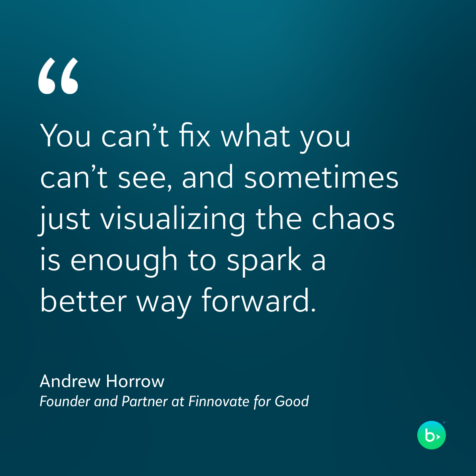
Another great place to begin? Map your workflows. Seriously. Grab some sticky notes or open a whiteboard app and sketch them out. You can’t fix what you can’t see, and sometimes just visualizing the chaos is enough to spark a better way forward. You might even uncover steps no one realized were happening.
Next Steps
Automation is one of the fastest ways to gain efficiency—especially if you’re starting from scratch. So, pick one thing to automate. Just one. Maybe it’s your accounts payable process, expense reports, or budget approvals. Start small, get a win under your belt, then build from there. And don’t forget to celebrate it!
Or try this: schedule a “systems reset” retreat. Yes, really. Block off a half-day with your team to dream (no napping!), plan, and prioritize. Bring snacks. Make it fun. This isn’t just about fixing problems—it’s about designing a better way to work together.
Real Talk: You Deserve Better
Most nonprofits have been making magic with limited tools for years. But imagine what you could do with systems that actually work for you:
- Month-end close in days, not weeks
- Dashboards that tell a story, not just spit out numbers
- A team that feels empowered, not exhausted
This isn’t about perfection. It’s about progress. And it starts with giving yourself permission to reset.
Cheers to the Year of the CFO Glow-Up
So, here’s to you, the nonprofit CFO, who’s ready to trade chaos for clarity, band-aids for blueprints, and burnout for balance. This is your year to lead with vision, not just vigilance. To build systems that reflect your values. To make space for strategy, not just survival.
And if you need a sign to start? This blog post is it. Go ahead press reset. Your future self—and your finance team—will thank you.
To learn more about creating space for a reset, check out the Ultimate CFO webinar series with Andrew Horrow for more how-tos and upskilling for the modern nonprofit CFO.