Community-Building Through Student-Led Fundraisers
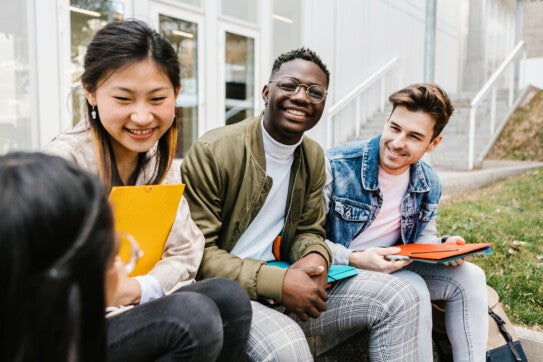
The most successful school fundraisers go beyond simple student participation to deep student engagement, empowering active student leadership that results in deeper connections among classmates, peers, staff, and the wider community.
In this article, we’ll explore how school fundraising leaders can design campaigns that prioritize student ownership and strengthen community ties from the inside out.
Choosing Engaging and Inclusive Events
Every strong community effort starts with the right foundation, and in fundraising, that means selecting the right event. It’s important to choose an event that not only raises money but also invites every student to step up, contribute, and feel like they belong.
Here are a few strategies to help you choose a fundraising event that resonates with your students:
- Focus on accessibility by designing a variety of participation options. If your school is dedicated to helping students with learning differences, for example, consider hosting a Read-A-Thon that rewards students based on time spent reading rather than the number of pages read. This invites every student to participate, regardless of reading level. The goal is to design an event where every student feels empowered to succeed.
- Align the campaign theme with current student interests. Conduct a survey to identify causes students care about; you’ll create immediate buy-in and excitement about the campaign before it even launches. Empowering students to lead the theme still requires oversight: all events must support school values and your community culture.
- Use modern fundraising tech to gather and analyze student feedback efficiently. Digital polling tools help leadership quickly identify which event ideas have the highest potential for community engagement.
When your event is genuinely inclusive and reflects student voices, students will be more invested in the outcome of your campaign and want to contribute to its success.
Get the Local Community Involved
To build fundraising momentum, look beyond your school’s immediate network. Neighbors, local business owners, and community members can become valuable stakeholders in your mission—and for private schools with fewer built-in neighborhood connections, this outreach is especially important.
Here are a few ways to build those local relationships:
- Equip students with peer-to-peer fundraising platforms. These digital tools allow students to share their personal connection to the school’s mission with neighbors and family members near and far. When a student tells their own story, it’s far more compelling than any administrative appeal.
- Seek out local business sponsorships. Look for businesses with established customers who have a natural overlap with your school’s families. For example, tutoring centers, local bookstores, dance and music studios, and children’s clothing stores would benefit from a connection to your school’s families. They might jump at the chance to support your campaign.
- Host a community-wide digital or hybrid kickoff event. Invite local residents to a student-run launch presentation. A kickoff builds immediate goodwill and puts students front and center, positioning them as capable ambassadors for your school’s mission.
The more your community understands your mission, the more invested they become in helping you achieve it. A little intentional outreach goes a long way toward turning neighbors into advocates.
Encourage Meaningful Student Connections
Fundraising campaigns offer a unique environment for students to collaborate outside their standard academic routines. Cross-context relationships are often among the most enduring connections made over an academic year. Here are a few ways to encourage genuine peer-bonding during your campaign:
- Implement gamification and friendly competition during peer-to-peer fundraising. Tracking individual progress in real time sparks excitement and encourages students to cheer each other on toward collective milestones. Friendly competition has a way of turning individual effort into collective energy.
- Create cross-grade collaborative teams. Mixing age groups allows older students to step into mentorship roles while younger students rise to the occasion, strengthening the overall campus culture.
- Establish a recognition system that encourages students to send public shout-outs to fellow volunteers. A culture where students celebrate each other’s contributions reinforces the kind of positive peer relationships your school wants to nurture.
When students work toward a shared goal, the friendships they forge often outlast the campaign itself.
Empower Student Leadership Roles
There’s a meaningful difference between letting students participate in a fundraiser and trusting them to lead one. Giving students true ownership of a campaign shows them they are capable and trusted, and it encourages stronger collaboration between student leaders and their teams.
Here are some best practices to empower students and make that happen:
- Form a student advisory board to guide the campaign’s direction. Giving students a formal voice in logistical and creative decisions increases engagement and ensures the campaign reflects their vision, not just the administration’s.
- Create role-specific fundraising teams. Think of tasks that let students find their niche. For example, you might consider creating student-led teams for social media management, donor outreach, event coordination, and volunteer recognition. These focused assignment areas allow students to build real-life skills and forge connections with classmates who have similar interests.
- Provide structured mentorship from school staff. Schools like Brightmont Academy emphasize one-on-one guidance to help students build confidence. The same personalized approach works for school fundraising. Consider assigning student leaders to a teacher or fundraising lead who can offer advice while letting students execute the strategies.
Empowering students with real responsibility drives the current campaign’s success and can cultivate the next generation of confident, community-minded leaders.
Celebrate Successes and Share Impact
A fundraising campaign doesn’t end when the final totals are tallied. How you follow up matters for the students who helped lead the effort and for the community that supported it.
To emphasize the campaign’s impact and relationships formed:
- Host a wrap-up celebration that highlights effort over revenue. Recognizing creativity and teamwork ensures all students who showed up, made calls, or cheered on their peers feel their contributions counted, regardless of the dollar amount attached to it.
- Share detailed impact stories with your donors. Telling supporters exactly how their contributions are being used reinforces trust and deepens community investment in your school’s mission.
- Gather comprehensive post-event feedback from student leaders. Understanding what worked and what didn’t from their perspective will help you plan future campaigns that are even more engaging and unifying.
Ending your campaign on a strong note with a wrap-up celebration and impact reporting cements the bonds formed along the way. Done well, it could even leave your community genuinely looking forward to the next fundraiser.
Conclusion
Student-led fundraisers offer schools the opportunity to weave a tighter community fabric while raising funds for future growth and advancement. When students are trusted with real ownership, fundraising becomes a way to bring your community together. Start with the right event, put students in the driver’s seat, and watch the connections follow.