Tips for Election Planning as a Nonprofit
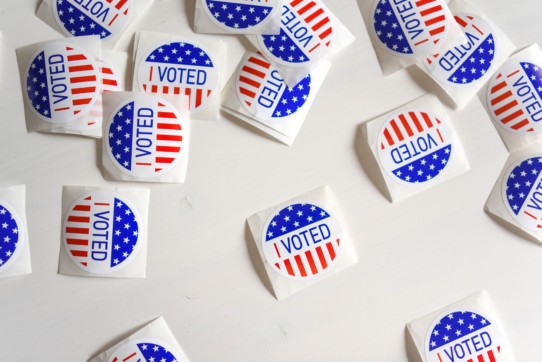

 An election year in the USA—especially a Presidential election year—always takes up a lot of bandwidth. On TV, in the mail, on the phones, in the inbox, not to mention in your social media feeds. And people actually speaking to each other—aka word of mouth. That means your organization is competing for attention, and you’ll have to work even harder to make sure your messages are relevant and engaging. The goal is to be heard above the noise.
Of course, while the entire country is affected by election seasons and their outcomes, the actual election itself will impact some organizations more than others. Depending on the type of organization you are, your activities will necessarily take one direction or another. Here’s a brief list of the most common types of nonprofit organizations:
- Political Action Committee (PAC): Endorse candidates and issue campaigns, give money directly to campaigns. PAC activity and communication about endorsements is governed by the Federal Election Commission, and communication is usually limited to people who are considered “members” of the organization. This is usually defined by a monetary contribution within a specific period of recency. PACs can communicate directly to their members about their endorsements and encourage members to volunteer on behalf of candidates.
- 501(c)4: Advocate to Congress, legislative bodies and members to influence decisions on policy issues and bills. 501(c)4 organizations also have a vested interest in what candidates are elected, based on the candidates’ support or opposition to the organization’s key issues and legislation.
- 501(c)3: Public education with 1/5 time allowed to be spent on direct advocacy. 501(c)3 organizations are often described as Foundations. Their primary purpose is for education, and they can also engage in a limited amount of issue advocacy.
A good resource for more information about the different types of nonprofits is the Alliance for Justice, an organization that works with nonprofits to provide guidance about electoral and lobbying laws.
In general election cycles are becoming longer and longer, and that means the most creative and engaging content delivered at the right time is key to grabbing people’s attention. If your issues are front and center and the candidates are talking about them, then you have additional opportunity to engage your constituents. That means you need to be ready to engage in rapid response.
So not only do you need to have engaging and relevant content, but you also need to be able to deploy quickly. Online channels, including email, text messaging and social media, are the best way to respond rapidly to the 24-hour news cycle.