Your Guide to Managing Reimbursable Grants Without the Cash Flow Headache

Reimbursable grants can offer incredible opportunities for your organization, but only if you’re prepared for what makes them different.
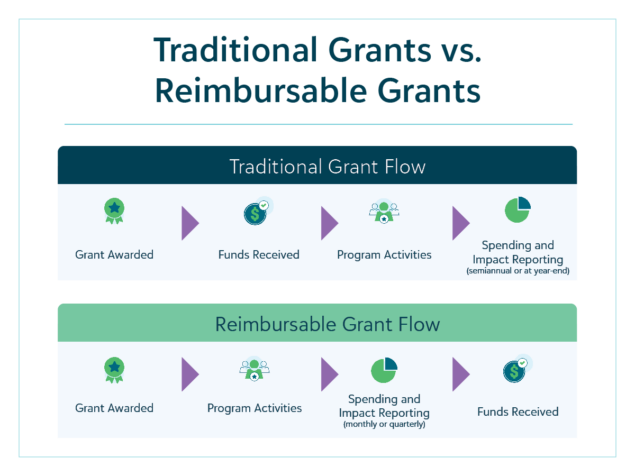
Unlike traditional grants that provide funds upfront, reimbursable grants require you to spend first and get paid later. That structure can introduce challenges around cash flow, documentation, coding, and reporting that may overwhelm even experienced finance teams.
You’re not alone if these grants have caused stress or uncertainty. Many organizations struggle with reimbursement delays, denied submissions, or the administrative strain that comes with detailed expense tracking. But with the right infrastructure and processes in place, you can manage reimbursable grants with confidence.
This post will walk you through how reimbursable grants work and what your organization needs to ensure accuracy, compliance, and financial stability every step of the way.
What Makes Reimbursable Grants Different from Traditional Grants?
Any grantmaking organization can use a reimbursement grant model, but these types of grants are most common with grant opportunities from the federal or state government. You may already be familiar with the world of government grant compliance, but reimbursable grants introduce complexities that require a different level of planning and oversight.
The Spend‑First Model
Traditional grants give you the funds upfront. Reimbursable grants require you to cover expenses using your own cash before you can request reimbursement. An example would be Pell Grants. Higher education institutions distribute the money to the student and then the federal government reimburses the institution.
If your organization operates on tight margins—or if reimbursements arrive late—this spend‑first model puts real pressure on your reserves and operating stability. You may find staff capacity stretched as you balance cash availability with program demands.
More Detailed and Frequent Reporting
Grantors typically expect you to submit detailed, line‑by‑line reporting, in their specified formats, for supplies, salaries, benefits, equipment purchases, and more. Instead of a semiannual or end‑of‑year report, reimbursable grants often require monthly or quarterly submissions.
Expenses can also span multiple grant periods or timeframes that don’t line up neatly with your fiscal year, which increases complexity at month‑end and year‑end.
A Higher Administrative Burden
Traditional grants already require a lot of documentation, but reimbursable grants amplify that.
Manual data entry, detailed invoice organization, and frequent reporting cycles create a heavy administrative load that can overwhelm smaller teams or those who are tracking reimbursements outside of their accounting system.
Core Challenges Organizations Face with Reimbursable Grants
Reimbursable grants offer valuable funding, but they also come with real operational and financial challenges you have to be ready for.
Cash Flow Pressure
A three- or six‑month reserve might not be enough if you’re managing a sizable reimbursable grant. Delayed or partial reimbursements can leave you waiting longer than anticipated to recover expenses. Smaller or newer organizations often feel this pressure the most because they might not have the revenue diversity to support the delays in payment.
Tracking and Coding Complexities
Reimbursable grants demand high‑precision tracking. You need reliable ways to record expenses by grant, project code, time period, and cost category. If your system—or your processes—aren’t set up to track across fiscal years or manage indirect cost caps, you’re at higher risk for miscoding or incomplete reporting.
Administrative Overload
It’s common to juggle multiple grants at once, each with its own reimbursement schedule. If you’re tracking those details manually or relying on spreadsheets, the chances for mis-keyed information multiply. Simple mistakes lead to real consequences, such as delayed reimbursements, manual corrections, or worse, rejected submissions.
Risk of Denied Reimbursements
When grantors reject reimbursement requests, the impact hits your cash flow immediately. Denials often stem from preventable issues: incorrect coding, missing documentation, misapplied indirect cost rates, or missed submission deadlines. Building preventive controls from the outset is critical.
What Your Organization Needs in Place to Manage Reimbursable Grants Successfully
Reimbursable grants become far more manageable when you combine the right technology with strong internal processes. Here’s where to focus your efforts.
A Fund Accounting System Built for Grant Tracking
You need a system capable of capturing granular expense data—by grant, project, program, time period, and cost category—in a way that’s easy to report back to funders.
A strong fund accounting solution should also support:
- Cross‑fiscal‑year reporting
- Multi‑grant allocation
- Granular tracking of both direct and indirect costs
- Easy generation of reimbursement packets
- Streamlined approval workflows
- View-only access for non-finance staff and auditors
With the right system, you spend less time gathering information and more time ensuring accuracy.
Strong and Consistent Internal Coding Practices
Technology only works when your team uses it consistently. Before spending begins, create a coding structure that everyone follows. Assign grant codes, project codes, and cost centers early and establish clear definitions for direct and indirect costs. Document these codes in a project management tool or accessible shared file so everyone can refer to them quickly and easily.
Train all staff responsible for coding—even those outside the finance team. Run recurring reports to catch mis‑coded transactions before they create downstream problems.
This consistency helps ensure your reimbursement submissions are complete, accurate, and audit‑ready.
Clear Assignment of Responsibilities
Reimbursable grants run more smoothly when you intentionally define who does what.
Document and communicate roles such as:
- Who gathers expense data
- Who reviews and verifies documentation
- Who submits reimbursement requests
- Who monitors grant‑to‑date spending and remaining funds
Your workflow should mirror the grantor’s reimbursement cycle so you’re always ahead of deadlines—not chasing them.
Payroll and Time Tracking Tools That Sync with Grants
For grants that fund salaries or benefits, your time tracking must be accurate. Automated tools that capture time data, produce automated time allocations, and provide integration with your accounting and payroll systems can reduce manual entry, increase accuracy, and improve compliance.
Reliable time allocation also helps avoid mis‑applied costs, which is one of the most common reasons reimbursements are denied.
Reliable Documentation Workflows
A documented workflow helps your team collect, organize, and store all required backup materials.
Your process should include:
- Standardized digital folders
- File naming conventions
- Checklists for required backup, like invoices, receipts, contracts, and payroll documentation
- Templates for reimbursement packet submissions
Documentation is one of the biggest contributors to successful reimbursements. A little structure goes a long way.
Budget Planning with Scenarios and Multi‑Grant Visibility
Scenario planning allows you to model how delays, partial reimbursements, or overlapping grant cycles will affect your cash flow.
With visibility across all active (and upcoming) grants, you can plan for possible staffing changes or allocations based on cash flow dips. You’ll also see where you might need to pull back on spending if your other revenue can’t cushion a delay or shift an outreach campaign to better align with a possible cash flow dip.
Scenario planning transforms reimbursable grant management from reactive to proactive.
Key Metrics to Monitor for Reimbursable Grant Health
Tracking the right financial indicators helps you stay ahead of challenges and gives you early insight into potential bottlenecks. If you have or are planning to apply for reimbursable grants, you’ll want to measure and monitor these metrics:
Billing Lag
Billing lag—the time between when you incur an expense and when you receive reimbursement—is one of the most important indicators of reimbursement health. Tracking it helps you anticipate cash flow constraints for future reimbursements and refine your internal processes. You’ll also want to understand if billing lag changes over time or with grants from different agencies.
Burn Rate
Burn rate tells you how quickly you’re spending funds compared to your grant period and allowable limits. Staying within the expected pace prevents overspending or rushed spending at the end of the grant, and protects you from leaving funds on the table.
Projected Cash Flow Through Scenario Planning
Because most accounting systems don’t fully model reimbursable grant cash flow, it’s important to build scenarios that show:
- What happens if reimbursements are delayed
- What happens if multiple grants submit at once
- How changes in staffing or program activity affect cash liquidity
Create these budget scenarios in your accounting system or in a spreadsheet and revisit them regularly. Understanding where you are with these scenarios helps you prepare for tight windows and stay ahead of funding gaps.
Strengthening Your Organization for Reimbursable Grant Success
Reimbursable grants can feel overwhelming, especially when you’re balancing multiple funding sources, overlapping grant cycles, and the daily demands of running your organization. But with strong systems, clear responsibilities, and consistent internal controls, you can manage these grants confidently and effectively.
The right preparation reduces administrative burden, strengthens your financial health, protects your cash flow, and ensures your mission‑critical work continues without disruption.
Want to dive deeper into how the right accounting system can improve your grant compliance? Check out our guide, 8 Ways Fund Accounting Software Helps You Improve Nonprofit Compliance and Revenue Tracking.